Vet care on a fixed income: options for senior pet owners
By Maya Krishnan · Updated 2026-06-29
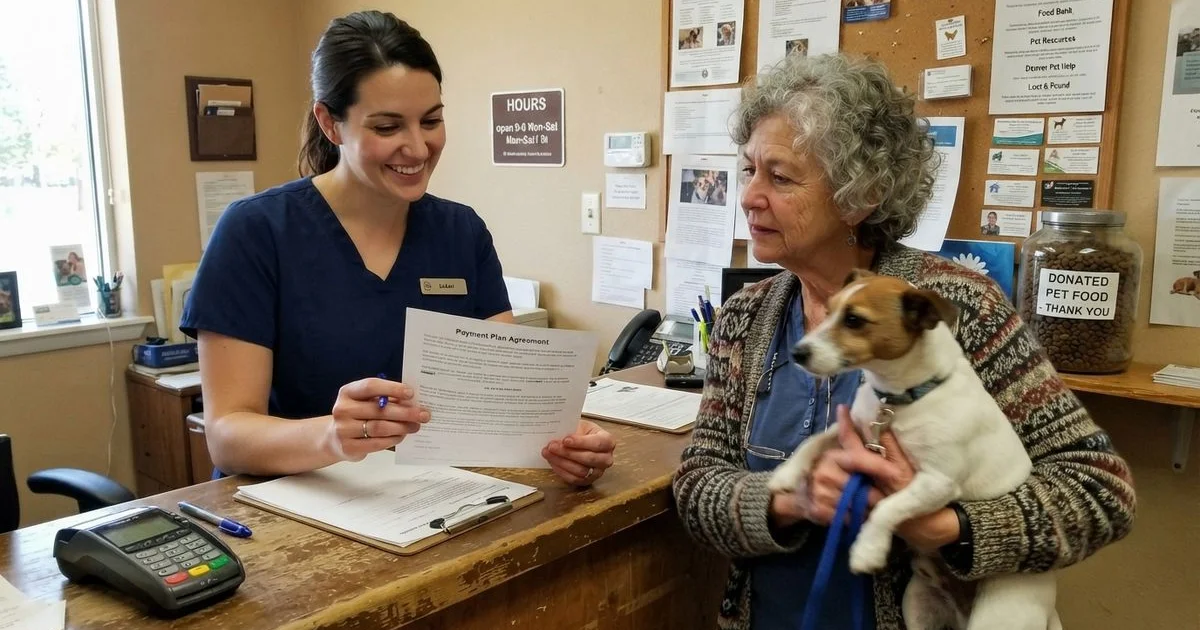
Living on a fixed income doesn’t mean giving up quality vet care for a pet, but it does mean being more deliberate about how and when you spend on it. A few practical habits go a long way.
Preventive care actually saves money here
It sounds backwards to spend money to save money, but regular wellness visits catch problems while they’re still small and cheap to treat. A dental issue caught early might mean a routine cleaning. Left alone for a year or two, it can mean multiple extractions and a much larger bill. The same logic applies to weight management, early kidney disease, and most chronic conditions common in aging pets. Skipping routine visits to save money now often costs more later.
Ask about discounts and payment options directly
Senior discounts for pet owners aren’t standardized across Denver vets, but some practices do offer them, along with payment plans or third-party financing for larger bills. None of this shows up reliably in advertising, so the only way to know is to ask when you call to book. It’s a completely normal question, and a good front desk will answer plainly rather than making you feel awkward for asking.
| Strategy | How it helps |
|---|---|
| Ask about senior or fixed-income discounts | Not universal, but worth asking every time you call a new practice |
| Use a low-cost clinic for routine vaccines and wellness | Meaningfully lower per-visit cost than full-service pricing |
| Ask about payment plans before treatment starts | Some financing options require pre-approval, easier to arrange ahead of an emergency |
| Keep preventive visits on schedule | Catches problems early, before they become expensive to treat |
| Ask for a tiered treatment plan for bigger diagnoses | Lets you prioritize the most critical care first if the full plan is a stretch |
Community and nonprofit resources worth checking
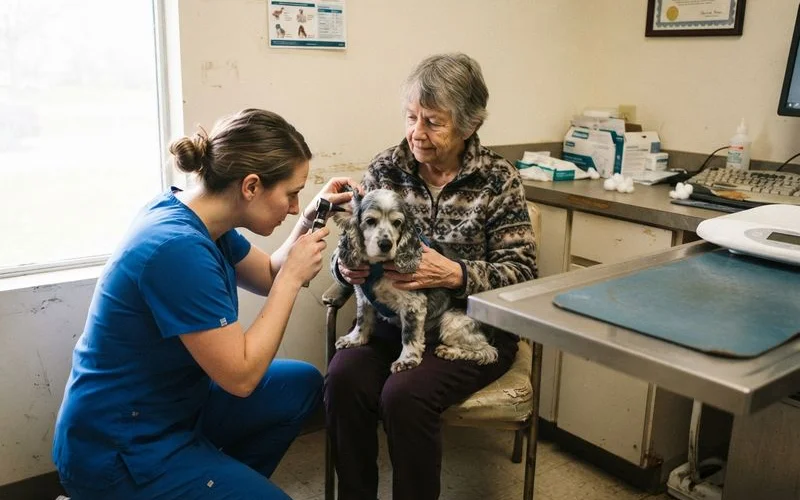
Beyond the vet clinic itself, some local nonprofits and community organizations occasionally offer pet food assistance, temporary pet-sitting during a health or housing crisis, or connections to reduced-cost veterinary care. Availability and eligibility shift over time, so a quick call or search for current programs in your area is worth the effort before assuming nothing exists. Local animal shelters are often a good first call, since they tend to track which assistance programs are currently active even if they don’t run one themselves.
When a bigger diagnosis hits your budget
If your vet recommends a treatment plan that’s a real financial stretch, say so plainly rather than either agreeing reluctantly or declining everything. Most vets can offer a tiered approach: the most essential intervention now, with less urgent parts of the plan spaced out or reconsidered. This conversation goes better when you’re direct about the constraint rather than letting the vet guess at your budget.
Thinking ahead about a future pet
If you’re considering adopting a pet on a fixed income, it’s worth weighing expected lifetime costs as part of that decision, not as an afterthought. Smaller breeds and mixed-breed pets generally carry lower typical veterinary costs than large purebred dogs prone to specific chronic conditions, and an older, calmer pet from a shelter sometimes fits a fixed-income household better than a high-energy puppy with a full vaccine series and years of unknown future costs ahead of it.
A short script for the phone call
If asking about cost feels awkward, it helps to have the wording ready ahead of time. Something as simple as “I’m on a fixed income and want to understand my options before booking, do you offer any discounts or payment plans” gets the conversation started plainly, without over-explaining or apologizing for asking. Front desk staff hear this question regularly and won’t find it unusual.
Building a lower-cost routine going forward
A low-cost or vaccine clinic is often the most practical base for routine care if cost is an ongoing concern, reserving a full-service practice for anything beyond wellness visits and vaccines. This combination keeps your predictable costs down without giving up access to more complete care when something unexpected comes up.
To compare options across Denver, browse the full directory and see how we evaluate cost transparency in our methodology.
FAQ
- Do vet clinics typically offer senior discounts?
- Some do, but it's not universal or standardized. Ask directly when you call, since it's rarely advertised prominently even when available.
- Is it cheaper to see the vet less often to save money?
- Usually the opposite works out better. Skipping preventive visits often leads to a problem being caught later and costing more to treat than it would have at an earlier stage.
- Are there payment plans available at most Denver vets?
- Many practices offer some form of payment plan or third-party financing option for larger bills. Ask about this before treatment starts, not after, since some options require approval in advance.
- Should I choose a pet based on lower expected vet costs?
- If cost is a real ongoing concern, it's worth factoring in before adopting. Smaller pets and certain breeds generally have lower typical costs than large breeds prone to chronic conditions.