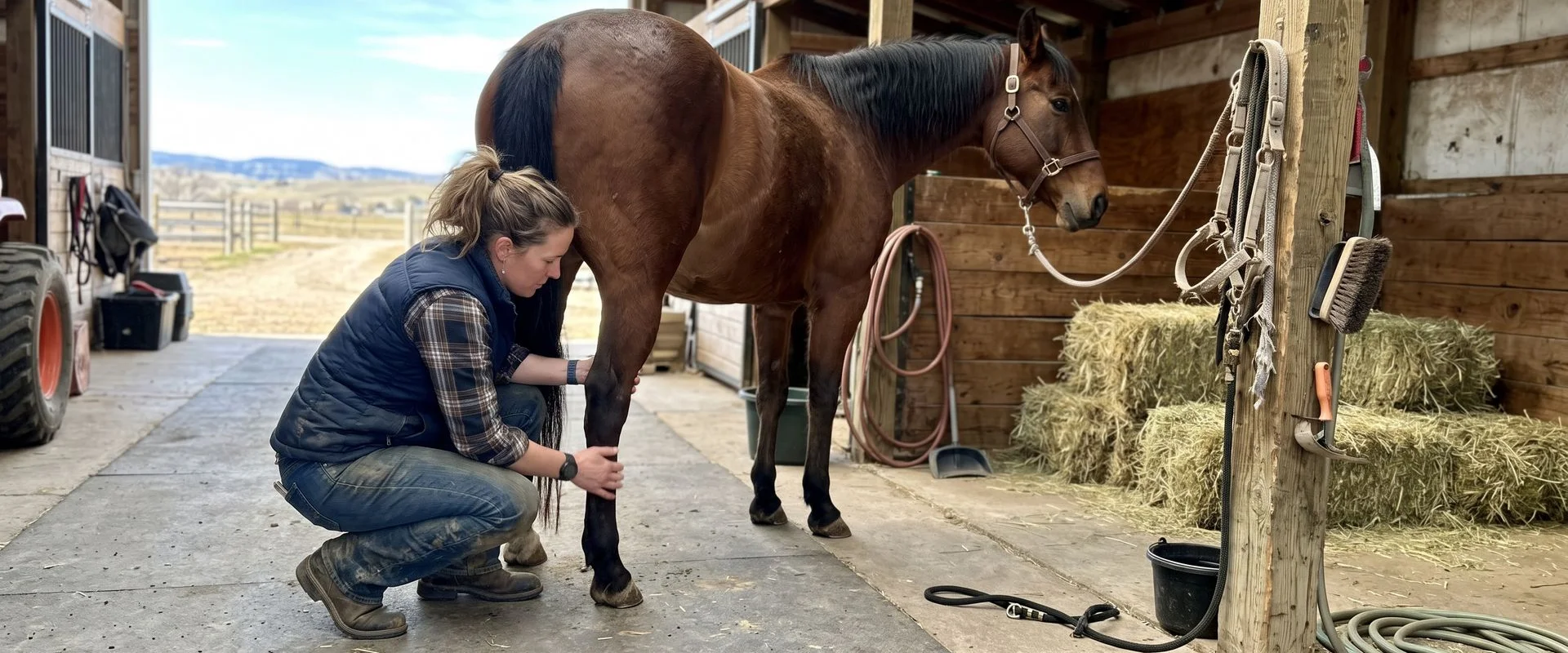
Large Animal & Equine in Denver CO
A guide to Denver's 111 large animal and equine vets: what these practices handle, what to check before booking, and how our rankings work.
Large animal and equine veterinary care in the Denver area covers horses, cattle, goats, sheep, alpacas, and other livestock kept on the acreages and small farms that ring the metro area, from Elizabeth and Parker to Brighton and points west toward the foothills. This is a different world from small animal medicine: most of the work happens on-site, out of a truck stocked for field surgery, lameness exams, dental floats, reproductive work, and emergency calls at odd hours. Some practices split their caseload between horses and production animals, others focus almost entirely on equine sports medicine or ranch call work.
There are 111 businesses in this category around Denver, and the range is wide. Some are solo ambulatory vets covering a tight radius, others are multi-doctor practices with digital radiography, ultrasound, and surgical suites for colic cases or standing procedures. Before booking, ask about travel radius and emergency coverage (many practices rotate on-call duty or partner with an emergency service), what equipment they bring to a farm call versus what requires a clinic visit, and whether they have experience with your specific species and use case, whether that's a barrel horse, a dairy herd, or a backyard goat flock.
Our scores weigh things like responsiveness, range of services offered, equipment on hand, and how consistently a practice shows up and follows through on care plans. For the full ranked list and how each practice stacks up, see the best veterinarians in Denver guide. Details on how we score and rank practices are on the methodology page.
Compare quotes from large animal & equine
Free and no obligation. Share a few details and we'll match you with providers who fit the job.
All large animal & equine, ranked by score and relevance
111 businesses. The order weighs each business's overall score by how much of its reviewed work is large animal & equine, so a lower-scored specialist can rank above a higher-scored generalist. Filter and sort below, or open the full map view.

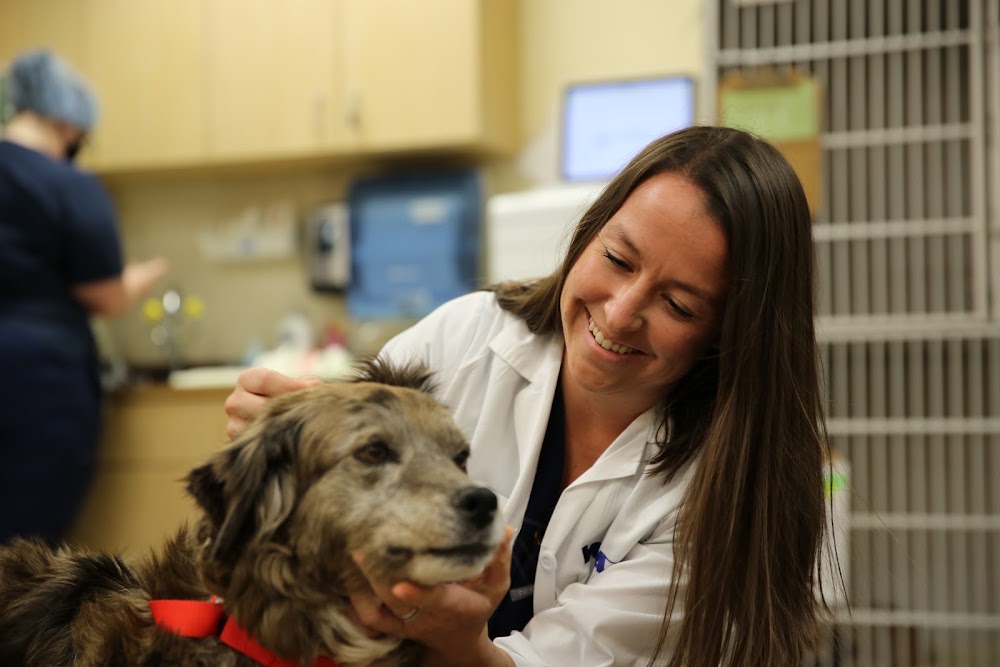
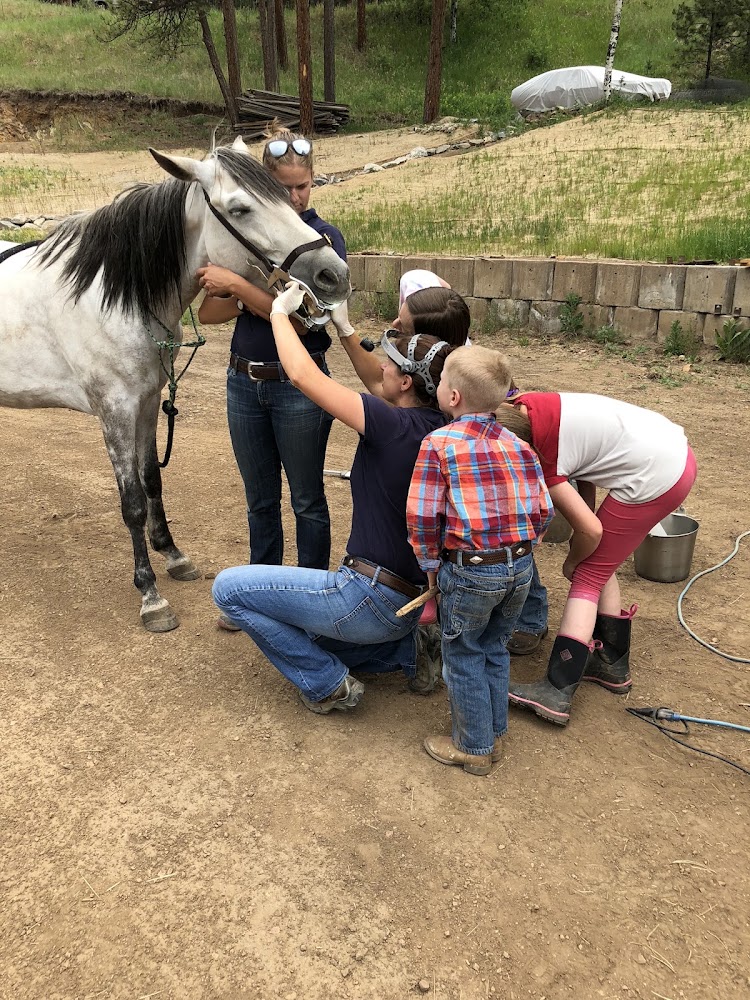
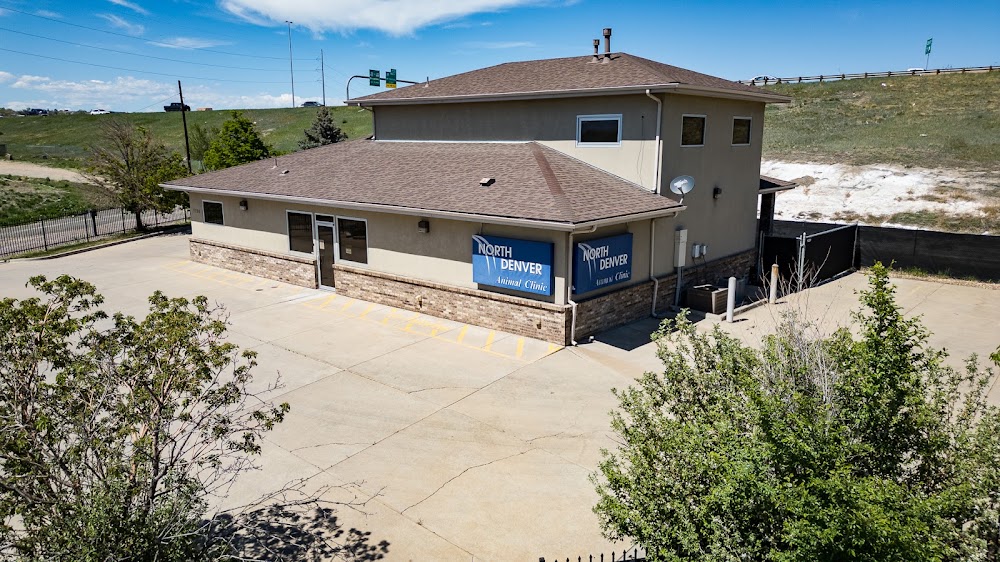
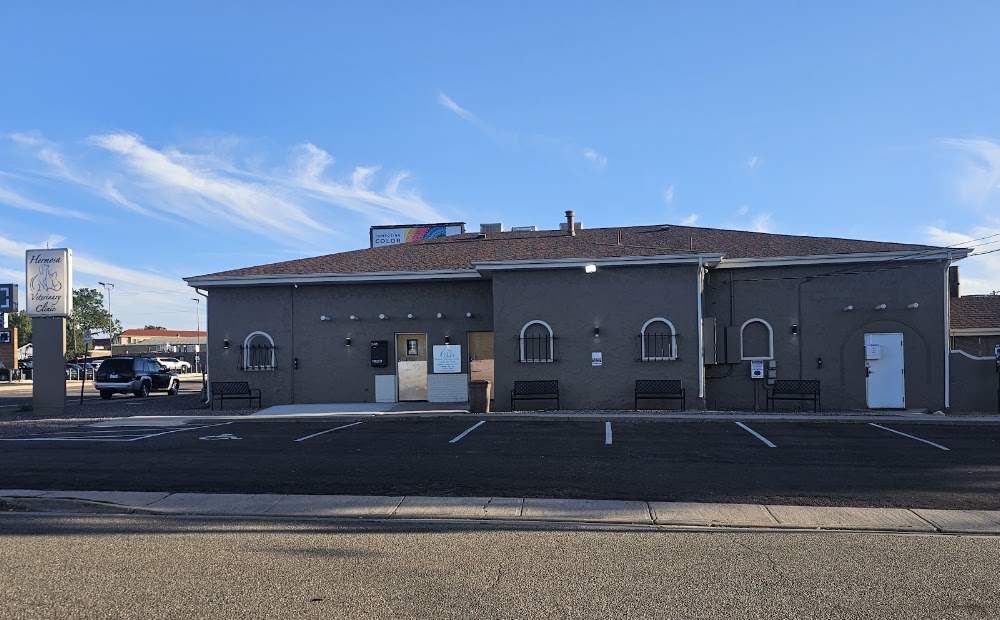
Enquiries submitted through our contact and quote forms may be shared with partner providers who can carry out the work, and we may receive a referral fee. Our rankings and scores are based entirely on our published method and are not influenced by referral fees.
Common questions about large animal & equine
- How much does a large animal or equine vet visit cost in Denver?
- A basic farm call plus exam often runs somewhere in the $75 to $150 range before any treatment, with the farm call fee itself sometimes charged separately from mileage. Routine work like vaccines, Coggins tests, or a dental float typically adds $50 to $200 per animal. Emergency calls, especially nights or weekends, cost more once you factor in after-hours fees, and something like a colic workup or field surgery can run into the thousands depending on what's needed.
- How often does a horse or livestock animal need to see a vet?
- Most healthy horses get a wellness exam once or twice a year alongside vaccinations, dental checks, and a Coggins test if they travel or go to shows. Cattle and small ruminants are often seen on a herd-health schedule tied to breeding, calving or kidding season, and vaccination protocols rather than individual visits. Anything showing lameness, colic signs, or reproductive issues needs a call sooner regardless of the regular schedule.
- What should I expect during a farm call?
- The vet arrives with a truck set up as a mobile clinic: basic bloodwork tools, sedation and pain medication, suture kits, sometimes portable ultrasound or x-ray. Expect them to ask about the animal's history and recent behavior, do a hands-on exam, and either treat on the spot or recommend a trip to a clinic for anything needing surgery or advanced imaging.
- How do I judge whether a large animal vet is good?
- Look at how quickly they respond to calls, especially urgent ones, whether they explain treatment options and costs clearly before starting work, and whether they follow up on cases rather than treating and disappearing. Practices with a broader service list (dental, reproduction, lameness, surgery) and their own equipment tend to handle more on-site without unnecessary referrals, which matters a lot when you're dealing with an animal that can't easily be trailered somewhere else.
Guides to choosing large animal & equine
- Health certificates and travel requirements for pets and horses in Colorado
What a health certificate or Coggins test actually is, when you need one, and how far ahead to book it before traveling with an animal.