What professional teeth cleaning costs for dogs and cats
By Maya Krishnan · Updated 2026-06-10
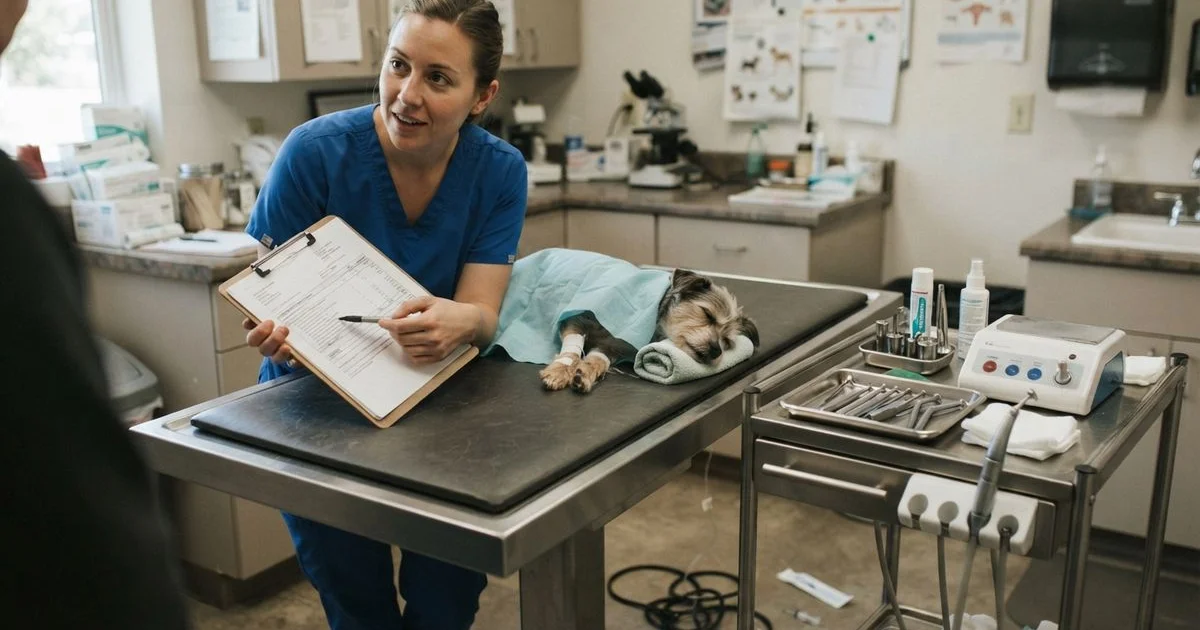
Nothing about a dental cleaning quote feels predictable the first time you get one. One friend paid under five hundred dollars, another paid over a thousand for what sounds like the same procedure. The gap is real, and it comes down to three things: the size of your pet, how bad the teeth actually are, and whether x-rays are included.
The three variables that set the price
Pet size. Anesthesia and monitoring cost scale with body weight, so a cat or small dog costs less to put under than a large breed. That difference alone can shift the total by 25 to 50 percent between a small and a large patient.
Disease stage. A cleaning with no extractions costs the least. Moderate disease with a few extractions raises the total meaningfully, and severe disease requiring multiple extractions can more than double the base price.
X-rays. Dental x-rays typically add somewhere in the range of a quarter more to the total, but they’re what reveals problems hiding under the gumline that a visual exam alone would miss.
Typical ranges in the Denver area
| Scenario | Typical range |
|---|---|
| Small dog or cat, mild disease, cleaning only, no x-rays | Roughly $270-$420 |
| Medium dog, moderate disease, a few extractions | Roughly $540-$830 |
| Large dog, severe disease, multiple extractions, with x-rays | Roughly $1,220-$1,870 |
These ranges reflect anesthesia, the cleaning itself, and typical extraction pricing. Add-ons like pain medication, a post-procedure recheck, or advanced imaging can move the final bill outside these bands in either direction.
Why the quote changes after the exam
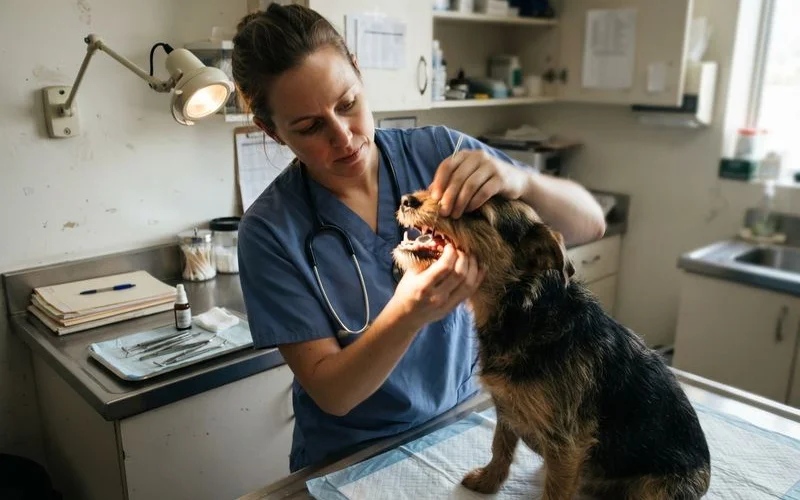
Most clinics can only give you a starting range before the procedure, because the real state of a pet’s mouth isn’t fully known until they’re under anesthesia and a vet can probe each tooth. A mouth that looked mildly dirty on a conscious exam sometimes reveals hidden fractures or advanced disease once the pet is sedated. That’s not a bait-and-switch, it’s a limitation of what’s visible in an awake pet. Ask your vet how they handle unexpected findings: a clinic that calls you mid-procedure before doing extra extractions is the standard you want.
How often this actually needs to happen
Frequency depends heavily on the individual pet, not a fixed calendar rule. Some dogs go two or three years between cleanings with good home dental care. Others, particularly small-breed dogs prone to crowded teeth, need a cleaning every year to stay ahead of disease. Your vet can tell you where your pet falls after looking at the current state of the teeth and gums, so it’s worth asking directly rather than assuming an annual or biannual default applies.
Home care between cleanings genuinely changes this math. Regular brushing, dental chews, or a water additive won’t eliminate the need for professional cleanings, but consistent home care can stretch the interval between them and reduce how much buildup accumulates each time, which sometimes means a shorter, cheaper cleaning down the line.
Signs it’s time to schedule one
Bad breath is the most obvious sign, but it’s rarely the only one worth watching for. Red or swollen gums, visible tartar buildup along the gumline, reluctance to chew on one side, or dropping food while eating are all worth mentioning at your pet’s next visit rather than waiting for the annual exam to bring it up.
Getting the most for your money
Ask specifically whether the quote includes x-rays, pain medication, and a follow-up exam, since some clinics price those separately. If cost is tight, ask whether staging the work, a cleaning now with a plan to revisit extractions later, is medically reasonable for your pet’s case. Not every clinic will offer that option, and for advanced disease it may not be safe to delay, but it’s worth asking.
If your household is watching the budget, some low-cost clinics offer reduced dental pricing for routine cleanings, though severe cases are more likely to need a full-service surgical setup. Start by comparing veterinary dental care providers in Denver to see who offers what at each price point.
Dental work is just one line item in a pet’s overall cost picture. Our breakdown of what a vet visit really costs in Denver covers the bigger picture, from exam fees to labs.
For how we evaluate pricing transparency and other factors across local practices, see our methodology. You can browse the complete Denver veterinarian directory to compare dental providers before booking.
FAQ
- Why does dental x-rays add so much to the bill?
- X-rays are what let a vet see disease below the gumline, which is where most serious dental problems actually live. The equipment and the extra anesthesia time both add cost, but they often change the treatment plan.
- Is a bigger dog always more expensive to clean?
- Generally yes. Larger dogs need more anesthesia and take longer on the table, which raises the base cost even before accounting for the condition of the teeth.
- Can I get a cost estimate before the cleaning happens?
- You can get a range, but the final number often depends on what the vet finds once your pet is under anesthesia and the mouth can be fully examined, particularly around extractions.
- Does pet insurance cover dental cleanings?
- Some plans cover dental disease treatment but not routine preventive cleanings. Check your specific policy's dental rider before assuming either way.