Finding a vet for exotic pets in Denver: what to look for
By Maya Krishnan · Updated 2026-06-18
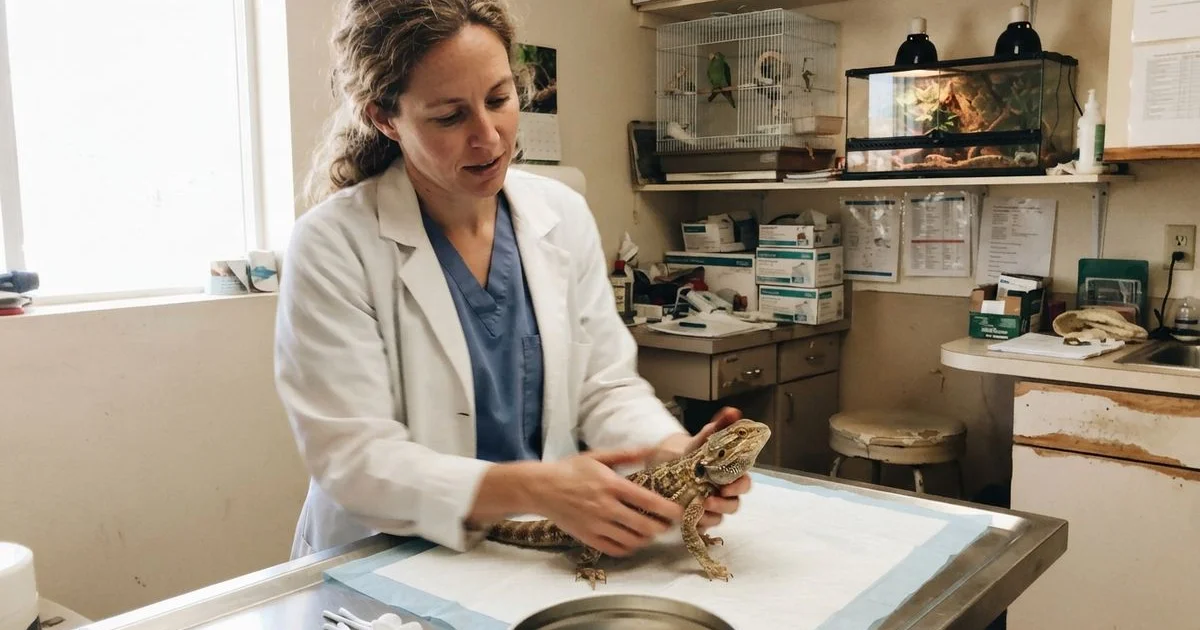
Exotic pet care is a different world from dog and cat medicine, and not every vet who’s happy to see your Labrador is equipped to treat your rabbit, parrot, or bearded dragon. Finding the right fit takes a bit more legwork, but it’s worth it.
Why this actually matters
Rabbits, guinea pigs, reptiles, and birds have anatomy, metabolism, and common diseases that differ substantially from dogs and cats. A vet without specific exotic training can miss species-specific warning signs or use dosing that’s calibrated for the wrong kind of patient. This isn’t a knock on general practitioners, it’s simply a different specialty, the same way a pediatrician and a cardiologist both went to medical school but you wouldn’t see one for the other’s job.
Reviews of Denver-area practices that do treat exotics consistently highlight the same strengths: real experience across species like rabbits, guinea pigs, snakes, and birds, comfort with less common procedures like avian or reptile surgery, and staff who clearly enjoy this kind of work rather than tolerating it.
What to ask before booking
- How many patients of my specific species do you typically see in a month?
- Do you perform surgery or advanced procedures on this species in-house, or refer out?
- What happens if my pet needs emergency care outside your regular hours?
- Is there a vet on staff with specific exotic or avian training, versus general interest?
A practice with real exotic experience answers these plainly and often volunteers detail without being pressed. Vague or hesitant answers are worth noting.
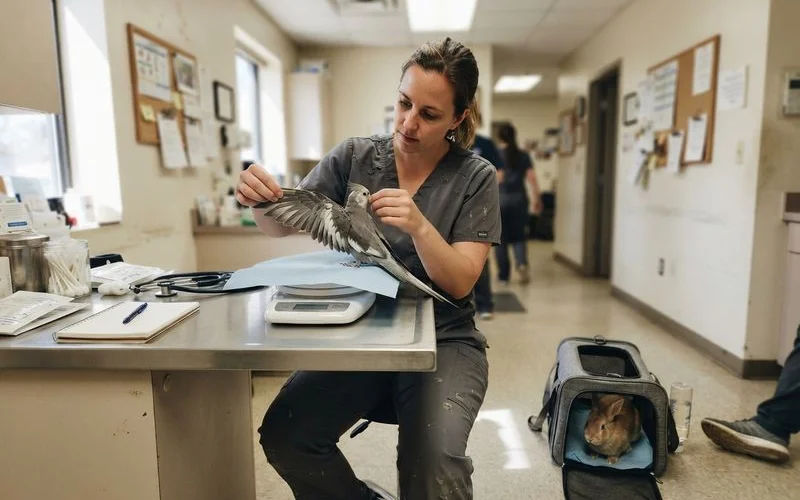
What sets a strong exotic practice apart
| Look for | Why it matters |
|---|---|
| Regular caseload of your specific species | Frequency builds real pattern recognition beyond textbook knowledge |
| In-house surgical capability for exotics | Fewer referrals and delays for procedures many practices send elsewhere |
| Comfort discussing species-specific husbandry | Diet and habitat problems often masquerade as medical ones |
| Clear emergency protocol for exotics specifically | Not every emergency clinic staffs exotic-experienced vets on every shift |
Don’t wait for an emergency to find out
The worst time to discover your regular vet doesn’t actually see your species is during an urgent situation. If you’ve adopted a rabbit, bird, reptile, or other exotic pet recently and haven’t confirmed your vet’s specific experience with that species, it’s worth a direct call now rather than assuming general veterinary training covers it. A quick phone call asking whether they regularly see your specific species, and what they’d do if your pet needed something beyond their comfort level, tells you a lot before you’re ever in a stressful situation.
Building husbandry into the relationship
A good exotic vet does more than treat illness, they help you get the daily care right in the first place. Diet, enclosure setup, temperature and humidity for reptiles, and social needs for birds all affect health directly, and a lot of exotic pet problems trace back to a husbandry gap rather than a purely medical issue. A vet who asks detailed questions about your setup at a routine visit, rather than only reacting when something’s wrong, is doing genuinely valuable preventive work.
This is also where community knowledge helps. Owners of less common pets, rabbit and reptile groups especially, often trade recommendations for exotic-experienced vets directly, and that word of mouth can surface practices that don’t show up prominently in a general search.
Cost and scheduling realities
Exotic-experienced practices are less common than general dog and cat clinics, so appointment availability can run tighter, and pricing is sometimes a bit higher because of the specialized knowledge and equipment involved. Booking routine wellness visits ahead of time, rather than waiting until something’s wrong, gives you more flexibility and avoids scrambling during an actual health concern. If the overall cost of care is the bigger concern, our guide to free and low-cost vet care in Denver covers where general assistance options exist.
If your pet is a rabbit, guinea pig, bird, reptile, or another less common species, start with practices that specifically list exotic and avian care as a focus rather than a side offering. Browse exotic and avian care providers in Denver to compare who actually specializes in this kind of medicine.
For more on how we weigh species-specific expertise in our rankings, see our methodology, or explore the full Denver veterinarian directory for every category.
FAQ
- Can my regular dog and cat vet also treat my rabbit or bird?
- Some can, but many general practices refer exotic pets out because the anatomy, dosing, and common diseases differ significantly from dogs and cats. Ask directly rather than assuming.
- Are exotic pet vet visits more expensive than dog or cat visits?
- Often somewhat, since fewer vets specialize in exotics and specialized equipment or knowledge is needed. It varies by species and by practice, so ask for a general range when booking.
- How do I know if a vet is genuinely experienced with my specific species?
- Ask how many patients of that species they see in a typical month, not just whether they'll accept the appointment. A practice that regularly sees rabbits or birds will answer that question easily.
- What should I do if my exotic pet needs emergency care?
- Call ahead if possible, since not every emergency clinic has exotic-experienced staff on every shift. Ask directly whether they can treat your specific species before you arrive if time allows.