Moving to Denver with a pet: how to find and set up with a new vet
By Maya Krishnan · Updated 2026-07-08
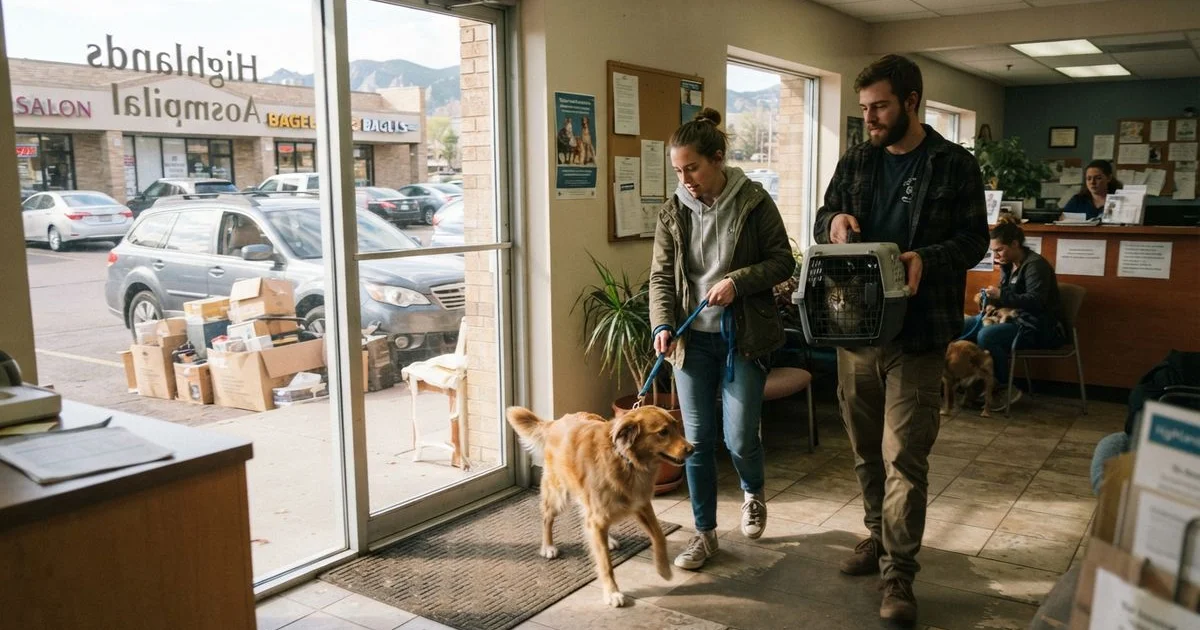
Moving to a new city means a long list of logistics, and finding a vet often lands somewhere near the bottom of that list, right up until your pet needs one. It’s worth moving it up.
Before you arrive, or right after
Request your pet’s full records from your previous vet before you leave, or as soon as you can afterward. This includes vaccine history, any known conditions, current medications, and recent bloodwork if applicable. Most clinics can send this electronically to a new practice once you’ve chosen one, which saves you from reconstructing your pet’s history from memory at the first appointment.
Finding a new vet before you need one
The single best thing you can do is book a wellness visit in your first month or two in Denver, even if nothing’s wrong. This gives a new vet a chance to meet your pet while healthy, establish a baseline weight and exam, and get familiar with any ongoing conditions. Meeting a vet for the first time during an actual emergency means starting from zero exactly when you need the most context.
| Task | Timing |
|---|---|
| Request records from your previous vet | Before or shortly after your move |
| Book an introductory wellness visit | Within the first one to two months |
| Confirm rabies certificate is current and on file | At that first visit |
| Ask about local risk factors specific to Denver | Same visit, especially for outdoor pets |
| Save contact info for a nearby emergency clinic | Before you need it, not during a crisis |
What’s actually different about Denver
Denver’s altitude and climate bring a few considerations worth a quick conversation with a new vet, particularly for pets with existing heart or respiratory conditions, since higher elevation can affect exercise tolerance. Outdoor and hiking-oriented pets also face different regional risks than they may have in a previous city, wildlife exposure and terrain-related injuries among them. None of this requires alarm, just a heads-up conversation so your new vet can tailor any specific recommendations to your pet’s actual lifestyle here.
Adjusting to a new routine
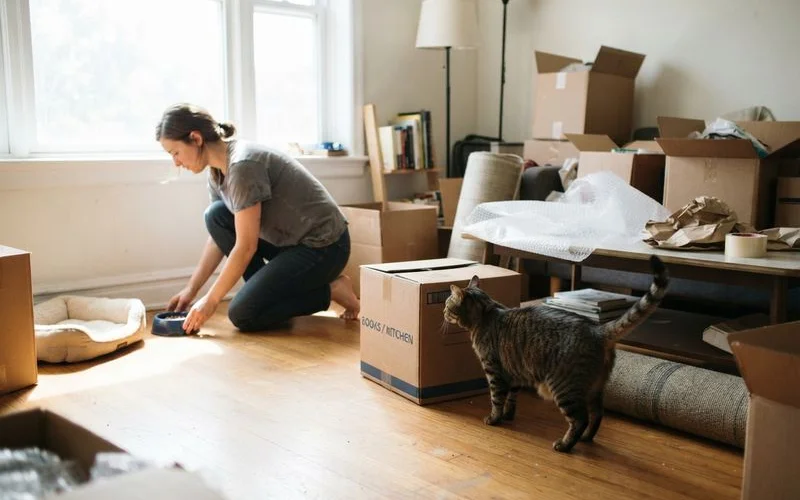
A move disrupts a pet’s sense of normal just as much as it does a person’s, new smells, new sounds, sometimes a new climate to adjust to. Give your pet a few weeks to settle before assuming any behavior change is a medical issue rather than ordinary adjustment stress. That said, if a change lasts more than a couple of weeks or comes with physical symptoms, appetite loss, vomiting, or unusual lethargy, don’t wait it out. Get it checked rather than assuming it’s just the move.
If you’re renting
Renting with a pet in Denver often comes with its own paperwork, pet deposits, breed or weight restrictions, and sometimes a request for proof of vaccines or a landlord reference from a previous vet. Keeping your pet’s records organized and accessible isn’t just useful for the vet relationship, it can smooth over a rental application too, so it’s worth having that paperwork in order before you need it for either purpose.
A note on microchip information
If you moved with a pet, update the address and phone number linked to their microchip as soon as you can. It’s a small task that’s easy to forget amid a move, and it’s the detail that matters most if your pet ever gets loose in an unfamiliar neighborhood before they’ve learned their way around.
Settling in without the scramble
The unpacking chaos of a move is a stressful time for a pet too, and it’s easy to let a wellness visit slide until something forces the issue. Treat finding a vet as part of the moving checklist itself, not an afterthought, and your pet gets the benefit of a vet who already knows them before anything urgent comes up.
Browse the full Denver veterinarian directory to compare practices as you settle in, and see our methodology for how we evaluate local practices across the metro area.
FAQ
- How soon after moving should I find a new vet?
- Ideally before you actually need one. A wellness visit in the first month or two lets a new vet establish a baseline for your pet and get familiar with any existing conditions, rather than meeting for the first time during an emergency.
- Do I need to transfer my pet's records from my old vet?
- Yes, request them before you leave your old practice if possible. Most vets can email or fax records directly to a new clinic once you've chosen one.
- Does my pet's vaccine schedule change just because I moved states?
- Generally not for core vaccines, but ask your new vet whether local risk factors, exposure to different wildlife or higher altitude activity levels, change any of their specific recommendations.
- Is Denver's altitude actually a concern for pets?
- For most healthy pets, no significant issue. For pets with existing heart or respiratory conditions, ask your vet whether the altitude change is worth discussing specifically for your pet's situation.