Health certificates and travel requirements for pets and horses in Colorado
By Maya Krishnan · Updated 2026-06-27
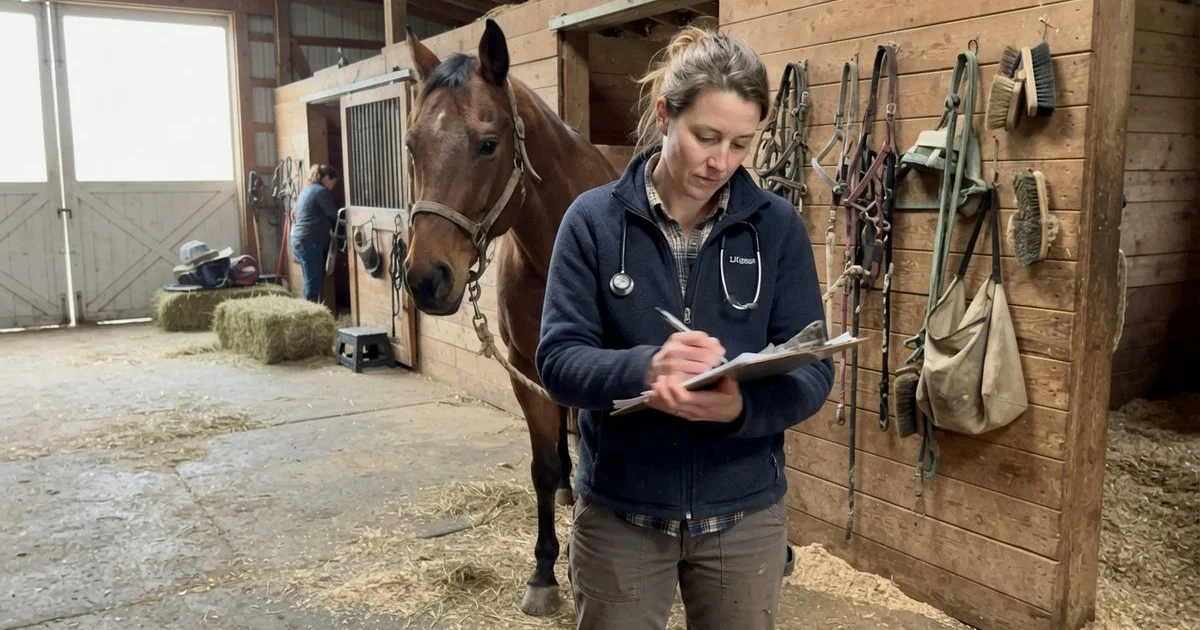
Anyone who has tried to cross state lines with a pet or a horse only to discover a paperwork requirement at the last minute knows how disruptive it is. These requirements exist for genuine animal and public health reasons, and getting ahead of them takes one well-timed vet visit.
This is general information, not legal advice. Requirements change by destination, carrier, and event, so confirm current specifics with your vet and the receiving state or venue before you travel.
Health certificates for dogs and cats
A certificate of veterinary inspection is essentially a vet’s written confirmation that your pet appeared healthy and free of signs of infectious disease at the time of exam. Airlines and many states require one within a specific window before travel, commonly somewhere in the range of ten days, though the exact number varies. This isn’t a formality your regular vet can skip through: it requires an actual exam, not just a signature, so book it as a real appointment rather than a quick drop-in. Rabies vaccination itself is a legal requirement independent of travel; see our guide on Colorado’s rabies vaccination law for what’s required even if you’re not going anywhere.
Coggins tests for horses
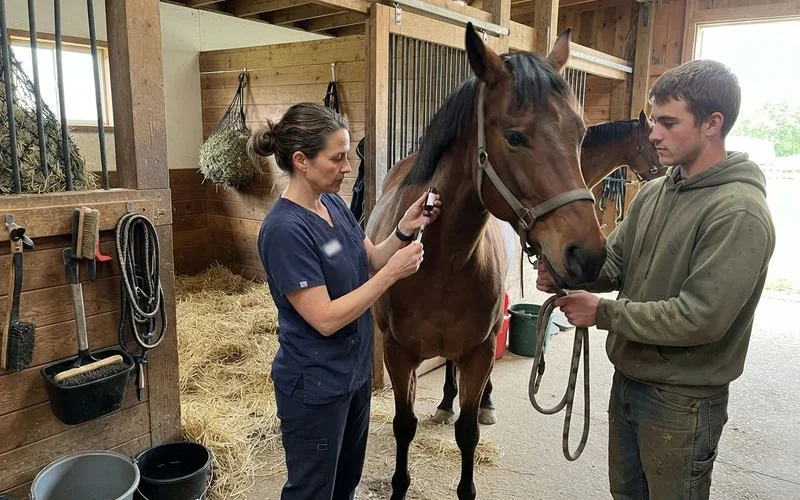
A Coggins test checks a horse’s blood for equine infectious anemia, a serious and untreatable disease that spreads between horses. Most states, Colorado included, require a current negative Coggins test for interstate travel, and many boarding facilities, shows, and events require one even for local participation. The test itself is straightforward, a blood draw an accredited vet sends to a lab, but turnaround time isn’t instant, so build in a buffer before you need the paperwork in hand.
| Document | Who needs it | Typical lead time to plan for |
|---|---|---|
| Health certificate (dogs/cats) | Air travel, many interstate moves | Roughly 10 days before travel, confirm exact window |
| Coggins test (horses) | Interstate travel, many shows and boarding facilities | Several days to a week for lab results, plus scheduling |
| Rabies certificate | Often requested alongside health certificates | Should already be current from routine care |
Booking with enough lead time
The single most common mistake is booking the appointment too close to the travel date. Lab turnaround for a Coggins test, or the health certificate window for airline travel, can catch owners off guard if they wait until the week before. Call ahead specifically for a travel-related appointment rather than folding it into a routine wellness visit, since the vet may need extra time or specific accreditation to complete it correctly.
Show and event requirements can differ from travel law
Even when you’re not crossing state lines, many horse shows, boarding facilities, and equine events set their own paperwork requirements independent of what interstate travel law technically demands. A local show might require a current Coggins test as an entry condition even though no state line is being crossed. Check the specific event or facility’s requirements directly rather than assuming travel law is the only rule that applies.
International travel adds another layer
If travel involves leaving the country rather than crossing state lines, expect a longer and more involved process. International health certificates often require additional testing, specific vaccine timing, and sometimes a review by a federal agency before the paperwork is finalized. This can take weeks rather than days, so international travel with a pet or horse needs to be planned months in advance, not the month before departure.
Keep copies in more than one place
Once you have a health certificate or Coggins result in hand, keep a digital photo of it along with the physical copy. Paperwork gets misplaced during travel more often than people expect, and a phone photo is often enough to satisfy a venue or checkpoint while you track down the original.
Getting this right the first time
Confirm the exact requirement for your destination directly, whether that’s checking with an airline, a receiving state’s agriculture department, or an event organizer, before assuming a general guideline applies. Then book with an accredited vet who handles this kind of paperwork regularly, since the process moves faster with someone who’s done it many times before.
For large animal and equine vets in the Denver area who handle Coggins testing and travel paperwork, browse the directory. See our methodology for how we evaluate practices, or check the full directory for every category.
FAQ
- How far ahead of travel do I need a health certificate?
- Requirements vary by destination and by mode of travel, air travel and some states have tighter windows than others, so check the specific requirement for your destination and book your vet appointment with buffer time before you need the paperwork.
- Does a Coggins test expire?
- Yes, and the valid window varies by the state or event requiring it. Many facilities and interstate moves expect a test performed within the last twelve months, but confirm the specific requirement rather than assuming.
- Can any vet issue these documents?
- Health certificates typically need to be issued by an accredited veterinarian, and Coggins tests require an accredited vet to draw the sample. Confirm your vet holds this accreditation before booking a travel-related appointment.
- What happens if I arrive without the required paperwork?
- Consequences depend on the destination and mode of travel, but can include being turned away, quarantined, or facing venue restrictions for events. It's not a risk worth taking to save a vet visit.