Recognizing a true pet emergency: signs that need a vet right now
By Maya Krishnan · Updated 2026-06-05
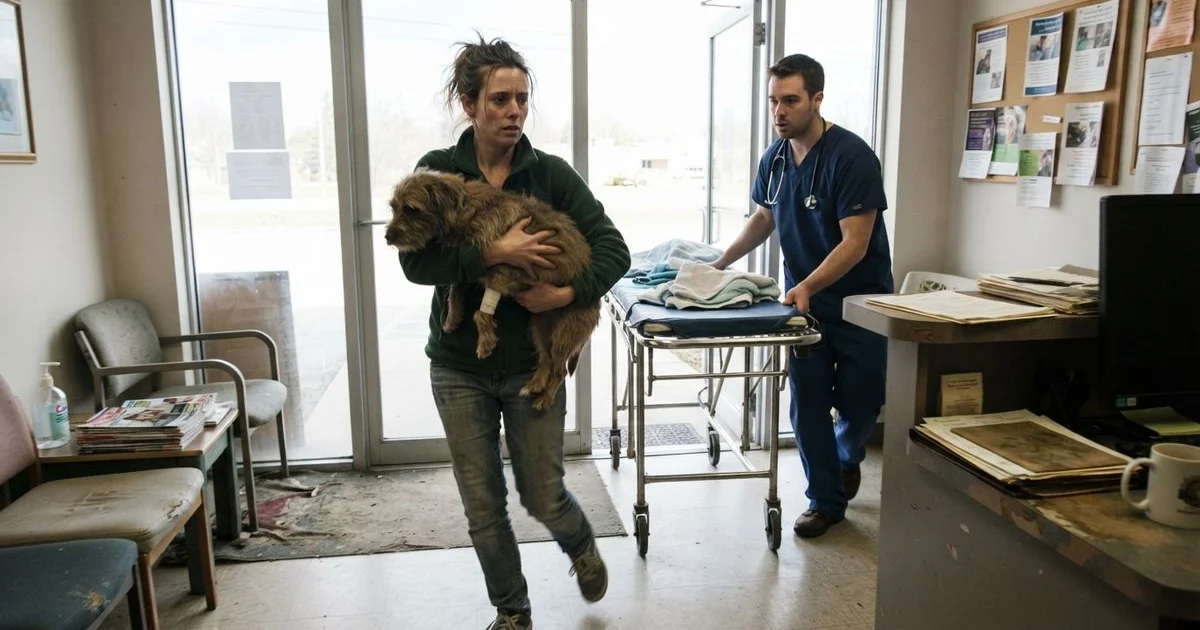
Every pet owner hits this moment at some point: something looks off, and you’re standing in the kitchen at 9pm trying to decide if this is a “call the vet in the morning” problem or a “get in the car now” problem. Guessing wrong in either direction has a cost, so it helps to know the actual signs that separate the two.
The signs that mean go now
Some symptoms don’t leave room for a wait-and-see approach. If you notice any of the following, head to an emergency or urgent care clinic instead of waiting for a regular appointment slot.
- Difficulty breathing, blue or pale gums, or gasping
- A swollen, hard, or bloated abdomen, especially in large deep-chested dogs
- Repeated vomiting or diarrhea, particularly with blood
- Collapse, seizures, or sudden inability to stand
- Known or suspected ingestion of a toxic substance
- Straining to urinate with little or no output, especially in male cats
- Trauma from a fall, car accident, or fight with another animal
- A wound that won’t stop bleeding or is deep enough to see muscle or bone
Owners in the corpus of Denver-area reviews consistently praise clinics for fast, calm handling of exactly these situations, describing same-day surgery and rapid response when a pet arrived in genuinely bad shape. That responsiveness is what you’re looking for when the signs above show up.
The signs that can usually wait
Plenty of concerning-looking symptoms are uncomfortable but not urgent. These generally hold until your regular vet has an opening, sometimes even the next business day.
| Symptom | Usually okay to wait if… |
|---|---|
| Mild limping | Pet is bearing some weight and otherwise acting normal |
| One vomiting episode | Pet is alert, drinking water, and keeps the next meal down |
| Mild itching or a small rash | No swelling of the face or difficulty breathing |
| Low energy for a day | Still eating, drinking, and using the litter box or going outside normally |
| Small cut or scrape | Bleeding stops on its own within a few minutes |
The gray area is real, and it’s where a phone call earns its keep. Describing the symptom to a vet tech over the phone, including how the pet is acting otherwise, usually settles the question faster than searching online.
What happens once you decide to go
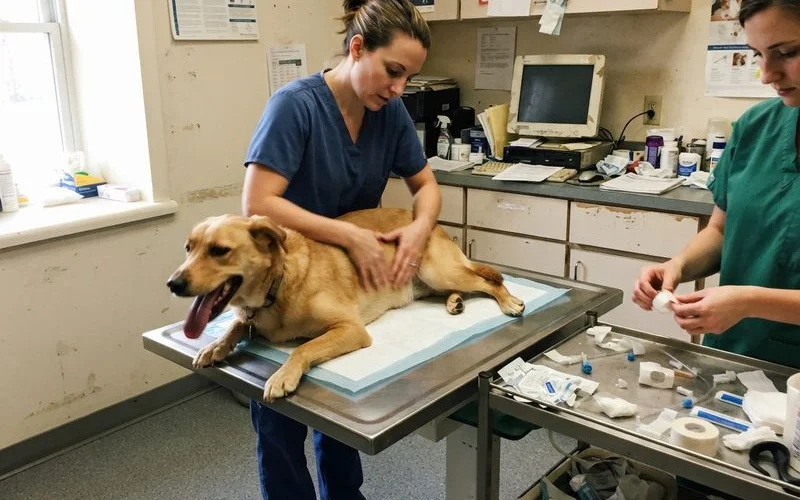
Emergency clinics sort arriving patients by how sick they are, not by who got there first. A pet that’s actively collapsing gets seen before a pet with a limp, even if the limping pet arrived earlier. This is normal and not a sign of poor service. If your pet’s case looks stable to staff, expect a wait, especially on weekend nights when volume runs high. Bring a leash, a carrier for cats and small animals, and a list of any medications your pet takes.
Cost is worth thinking about before you’re in the parking lot. Emergency and after-hours visits in Denver typically run higher than a daytime appointment because of the staffing and equipment on hand, and the range widens further if diagnostics like x-rays or bloodwork are needed. Asking for a written estimate before treatment begins, outside of true life-threatening cases, is a normal and reasonable request.
Trust your instinct, then verify
If something feels wrong about your pet and you can’t quite name why, that instinct is worth acting on. A phone call to a Denver-area emergency and urgent care clinic costs you a few minutes and gets you a professional opinion instead of a guess. For non-urgent questions, a same-week appointment with your regular vet is usually the better and cheaper path.
This guide is general information to help you decide how quickly to act. It isn’t a diagnosis, and it doesn’t replace a hands-on exam. When in doubt, call a vet and describe what you’re seeing.
For more on how we evaluate and rank local practices, see our scoring methodology. You can also browse the full Denver veterinarian directory to compare options before you need one.
FAQ
- Should I call ahead before driving to an emergency vet?
- Yes, if you can. A quick call lets the clinic prepare a room for a serious case and tells you whether they have capacity right now, since some Denver emergency clinics run at or near capacity on busy nights.
- Is vomiting once always an emergency?
- No. A single vomiting episode in an otherwise normal, alert pet is usually fine to watch. Repeated vomiting, blood, or vomiting paired with a swollen belly or collapse is not something to wait out.
- What if I'm not sure and the clinic is far away?
- Describe the symptoms to the clinic by phone first. Staff who triage calls all day can usually tell you whether to come in immediately, book a same-day slot, or monitor at home.
- Does an emergency visit cost more than a regular appointment?
- Generally yes, especially after hours or overnight, because of the staffing and equipment needed to handle unpredictable cases. Ask for a cost estimate before treatment starts unless your pet is in immediate danger.