What a vet visit really costs in Denver, and what drives the total
By Maya Krishnan · Updated 2026-06-07
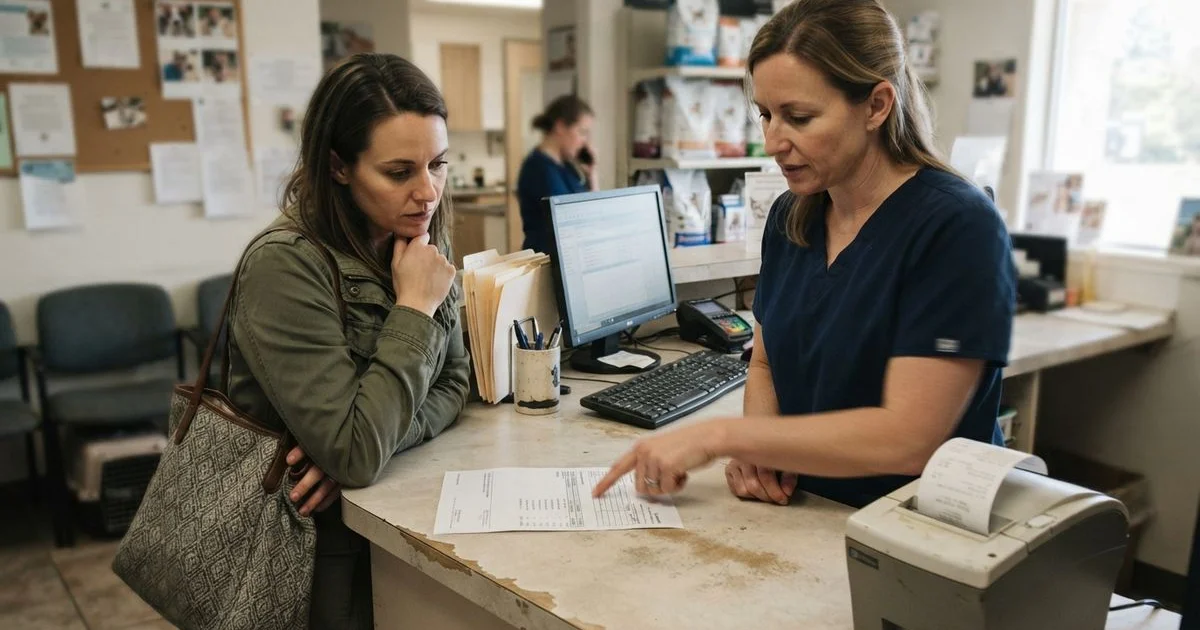
Ask ten Denver pet owners what a vet visit costs and you’ll get ten different answers, because the honest answer is “it depends.” It depends on why you’re there, how big your pet is, and whether labs get added. Here’s how those pieces actually move the number.
The base exam fee
A routine wellness check-up for a cat or small dog in the Denver area typically lands somewhere in the high forties to high sixties for the exam alone. Move to a large dog and that range shifts up toward sixty to ninety, mostly because of size and handling. Exotic pets, birds especially, often run a bit higher still since they call for specialized knowledge that fewer clinics offer.
A sick or injured visit costs meaningfully more than a wellness check, commonly closer to ninety to one hundred thirty for a cat before any tests. The exam itself takes longer when something is actually wrong, and vets tend to look more closely at everything, not just the presenting complaint.
Follow-up visits are the cheapest of the three. A recheck for something already diagnosed usually runs lower than the original visit, often in the low thirties to high forties, since it’s a shorter, more targeted appointment rather than a full workup.
What pushes the total higher
| Factor | Typical effect on price |
|---|---|
| Pet size | Large dogs generally cost more than cats or small dogs to examine and treat |
| Type of pet | Exotic and avian patients often carry a premium for specialized care |
| Reason for visit | Sick visits cost more than wellness checks; follow-ups cost less than either |
| Bloodwork or labs | Adds a meaningful amount on top of the base exam, often 50 to 60 percent more |
| Time of visit | After-hours or emergency visits run substantially higher than daytime appointments |
Bloodwork is the biggest single line item pet owners get surprised by. If a vet recommends labs during a sick visit, ask what they’re checking for and what the number will be before agreeing. It’s a completely normal question and any clinic worth using will answer it plainly.
Why transparency matters more than the number itself
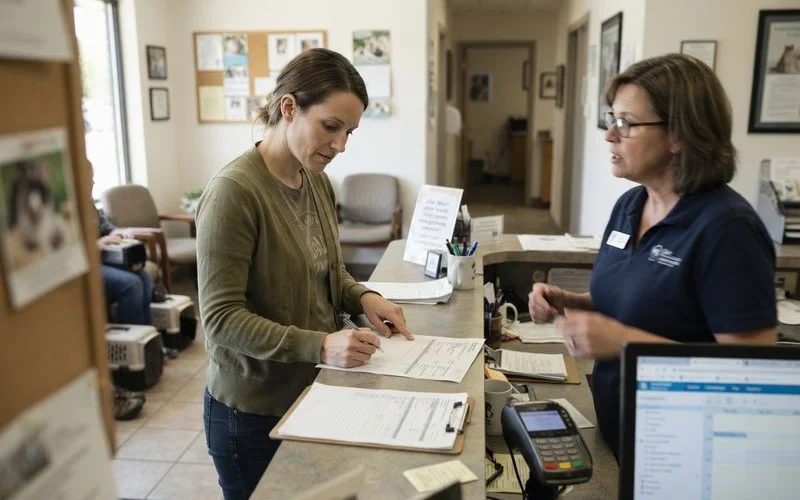
Reviews of Denver-area practices consistently split into two camps: clinics praised for clear, upfront pricing and honest communication, and a smaller group flagged for surprise charges or vague estimates that grew after the fact. The price itself matters less than whether you know it’s coming. A clinic that walks you through cost before treatment, even when the number is higher than you hoped, is doing right by you. One that adds line items after the fact without asking first is worth reconsidering for future visits.
If cost is a real constraint for your household, a low-cost or vaccine clinic may be worth a look for routine care, since pricing tends to run noticeably lower than full-service practices for the same basic services. For general wellness and sick visits, browsing general veterinary practices in Denver is the best starting point.
Payment options if a bill runs higher than expected
If a recommended treatment plan is more than you budgeted for, say so before agreeing to anything. Many Denver practices offer some combination of a payment plan, third-party financing, or a tiered treatment approach that handles the most urgent piece now and spaces out the rest. None of this is automatically offered unless you ask, so raise it as soon as a number surprises you rather than after the work is done.
It’s also worth asking whether a second opinion changes the picture, especially for a costly, non-urgent recommendation. A second exam fee is a small cost compared to a major procedure, and a second vet sometimes proposes a different, less expensive path to the same outcome. This isn’t about distrust, it’s a normal part of managing a large medical decision for your pet.
Getting ahead of the bill
The most useful habit is asking for a number before the visit starts, not during checkout. Most front desks can give a rough range for a wellness exam over the phone, and any add-on like labs or vaccines should come with its own quote before it’s added to your invoice.
If you’re just adding a puppy or kitten to the family, costs stack differently across their first year of care; our breakdown of new puppy and kitten first-year vet costs covers what to budget beyond this first visit.
For a fuller picture of how we score local practices on pricing transparency along with other factors, see our methodology. You can also compare options across the full Denver directory before booking.
FAQ
- Why did my sick-pet visit cost almost double a wellness check-up?
- A sick visit takes longer, often needs a more detailed exam, and frequently leads to a recommendation for bloodwork or diagnostics, all of which add to the base exam fee.
- Does pet size change the price?
- Yes. Larger dogs typically cost more to examine and medicate than cats or small dogs, and exotic pets often carry a further premium because they require specialized handling and knowledge.
- Are follow-up visits cheaper than the first appointment?
- Usually. A follow-up is typically a shorter, more focused recheck rather than a full exam, so clinics commonly price it lower than the original visit.
- Should I ask for a price before agreeing to bloodwork?
- Yes. Reputable clinics will quote diagnostics separately before running them. If a clinic won't give you a number before proceeding, ask again or get it in writing.