Making the decision: when it's time to say goodbye to a pet
By Maya Krishnan · Updated 2026-07-01
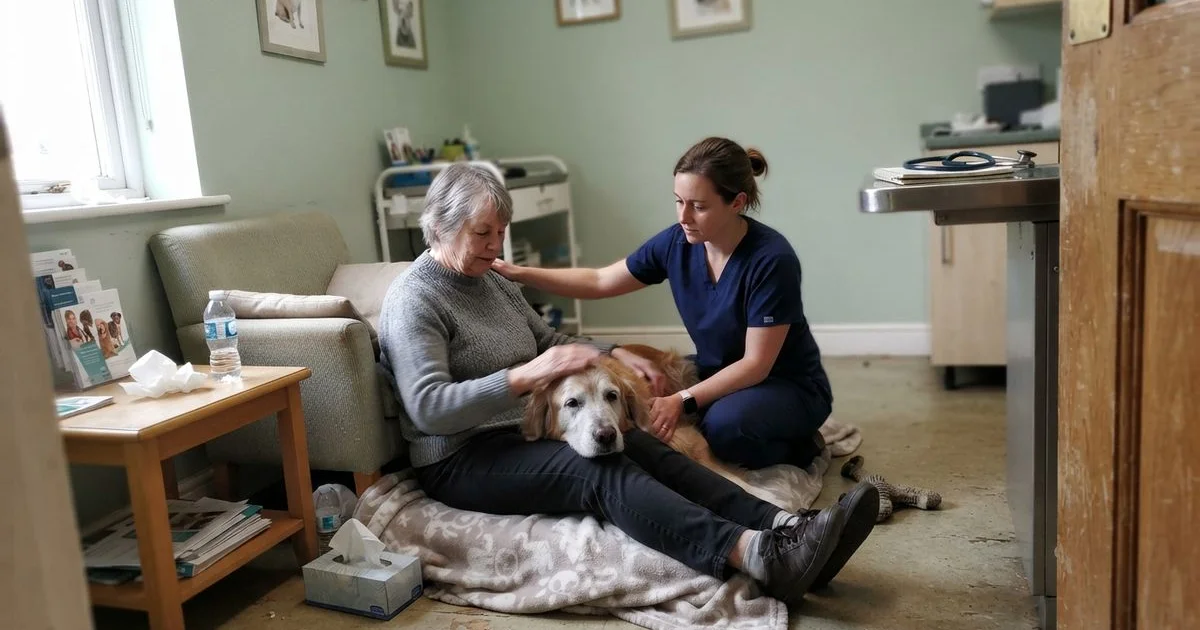
This is the hardest appointment in pet ownership, and there’s no way to make that fact smaller. What a vet can offer is a clearer, less overwhelming way to think through the decision, so it doesn’t rest entirely on guesswork in an emotionally exhausting moment.
This is general information, not medical advice specific to your pet. Your vet, who knows your pet’s actual condition and history, is the right person to help you weigh this decision.
A more useful way to think about timing
Rather than searching for one dramatic sign, most vets suggest tracking the balance of good days and hard days over a week or two. A pet having one rough afternoon isn’t the same as a pattern of mostly hard days with occasional good ones. That shift in ratio, more than any single symptom, tends to be the clearer signal. This conversation often follows years of aging changes; our guide on caring for a senior pet covers what shifts along the way and when to increase vet visits.
Common areas vets ask about when helping assess quality of life:
- Is your pet still eating and drinking with some interest, or refusing most of the time?
- Can they move around reasonably comfortably, or is pain or weakness now constant?
- Do they still respond to things they used to enjoy, a favorite person, a walk, a toy?
- Are there more bad days than good ones over a real stretch of time, not just one hard day?
None of these questions has a pass or fail answer on their own. Together, they give you and your vet something more concrete to talk through than a vague sense that “things are getting worse.”
What the appointment actually involves
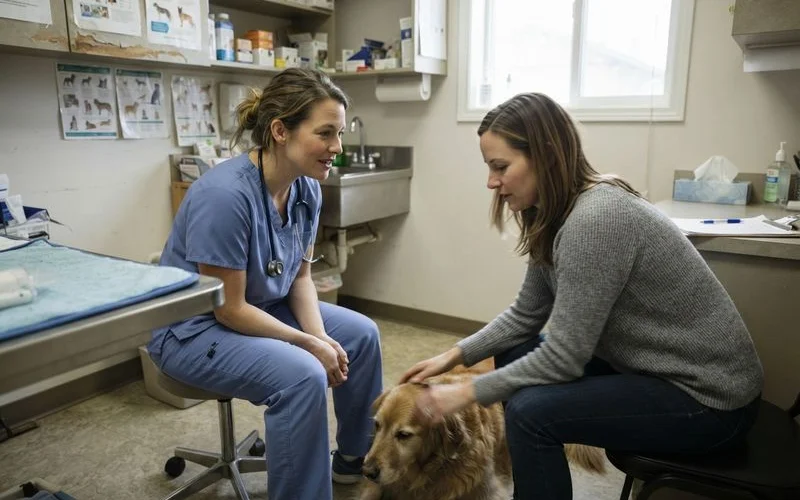
Most Denver practices handle this with real care, and reviews across the corpus consistently mention compassionate, unhurried end-of-life support as something owners remember and appreciate. A typical appointment includes a quiet space, time to ask questions, and the option to be present throughout if you want to be. Many practices offer a sedative first, so your pet is calm and comfortable before anything else happens. Ask ahead of time what the process looks like at your specific practice, so nothing on the day itself is unfamiliar.
| What you can usually ask for | Why it helps |
|---|---|
| A private, unhurried room | Reduces the sense of being rushed through a hard moment |
| To be present throughout, or to step out | Different people cope differently, and either choice is normal |
| A clear explanation of each step beforehand | Removes uncertainty about what happens and when |
| Aftercare options explained in advance | One less decision to make in the moment itself |
If cost is part of the hesitation
Sometimes the delay isn’t only emotional, cost genuinely factors into timing too, and that’s a legitimate thing to weigh, not something to feel guilty about. Ask your vet directly about the range for the procedure itself and any aftercare options like cremation, since costs and choices vary by practice. A clear number upfront lets you focus on the actual decision instead of an unknown financial variable sitting in the background of an already hard moment.
Including the rest of the family in the decision
If children are part of the household, how much to involve them depends heavily on their age and how they process hard news, and there’s no single right answer. Some families find it helps to let a child ask the vet direct questions themselves, in age-appropriate terms. Others prefer to handle the conversation privately first. Either approach is reasonable, and your vet can often help think through how to frame it if you ask.
Afterward
Grief after losing a pet is real grief, not a lesser version of it, and there’s no correct timeline for moving through it. Some people find it helps to talk to their vet about the decision afterward, confirming it was the right call when doubt creeps in later, which is a completely normal thing to feel even after a caring, well-timed decision.
If you’re weighing this decision now, a conversation with your regular vet, who knows your pet’s specific history, is the most useful next step. Browse the full Denver directory to find a practice known for this kind of care, and see our methodology for how we weigh compassion and communication in our rankings.
FAQ
- How do I know if it's the right time, or if I'm giving up too soon?
- There's rarely a single clear sign. Most vets suggest tracking your pet's good days versus hard days over a week or two, since a pattern is more reliable than judging any single bad day.
- How does a vet actually assess quality of life?
- Through a conversation about eating, mobility, pain signs, and whether your pet still shows interest in things it used to enjoy, combined with a physical exam and knowledge of the specific condition involved.
- Can I be present during the procedure?
- Most Denver practices allow and welcome this if you want it, and it's worth asking about the setup in advance so you know what to expect in the room.
- Is it normal to grieve a pet as much as I would a person?
- Yes. Grief after losing a pet is genuine grief, and there's no timeline you're supposed to follow. Some people find it helpful to talk to a vet or a pet loss support resource rather than processing it alone.