Zoonotic disease risk: what pet owners actually need to worry about
By Maya Krishnan · Updated 2026-06-26
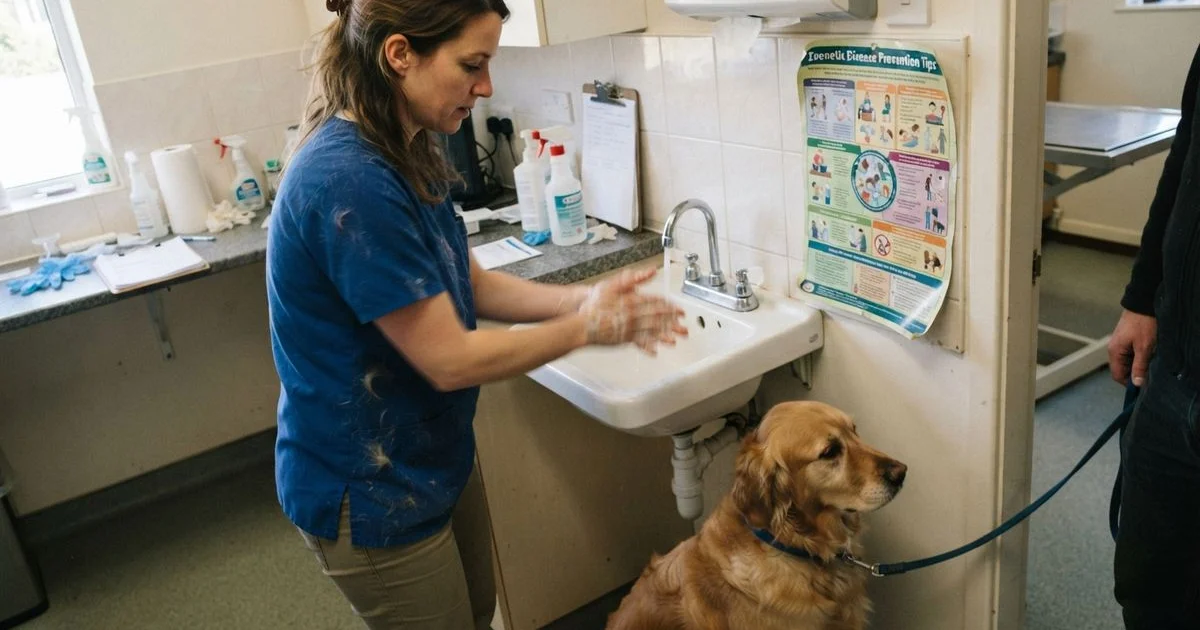
The idea that your pet could pass something to you sounds scarier than the reality usually is. Most zoonotic risks are manageable with ordinary hygiene, and the goal here is a realistic picture, not a reason to worry every time your dog licks your face.
What’s actually common versus rare
A handful of zoonotic concerns show up regularly enough to be worth knowing about: ringworm, a fungal skin infection despite the name; giardia, a parasite that causes digestive upset; toxoplasmosis, most relevant for pregnant or immunocompromised people around cat litter; and leptospirosis, more relevant for dogs that spend time around standing water or wildlife. None of these are common in the sense of “expect it to happen,” but they’re the ones worth recognizing if symptoms appear in you or your pet.
This is general information, not medical advice. If you or a family member develops symptoms after contact with a pet, especially a bite, scratch, or known exposure, talk to a doctor rather than relying on general guidance like this.
The habits that manage most of the risk
| Habit | What it protects against |
|---|---|
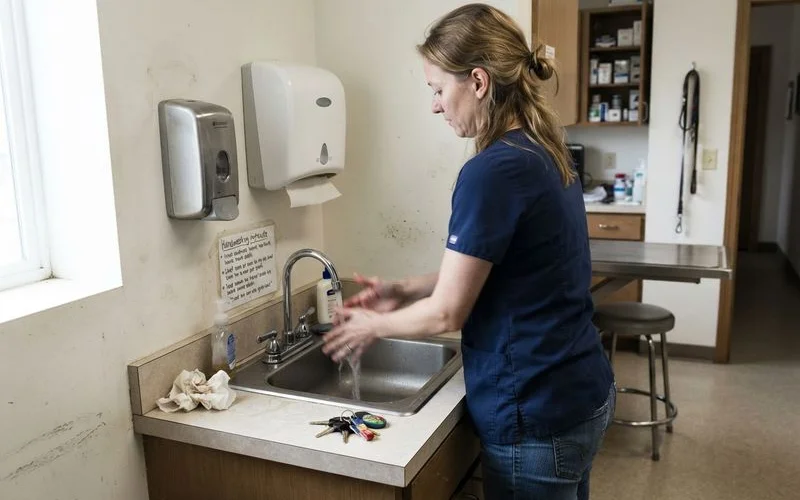
| Wash hands after handling pets, litter, or waste | Reduces transmission risk for most common zoonotic organisms |
| Keep vaccines and parasite prevention current | Lowers your pet’s own risk of carrying certain transmissible conditions |
| Avoid contact with wildlife your pet may encounter | Reduces exposure to less common but more serious risks like rabies |
| Clean litter boxes daily, and have pregnant household members avoid the task if possible | Specifically reduces toxoplasmosis exposure risk |
| See a vet promptly if your pet has unexplained digestive symptoms | Catches parasites like giardia before prolonged exposure at home |
These habits cover the overwhelming majority of practical risk without requiring anything dramatic. Most pet owners are already doing most of this without thinking of it as disease prevention.
New pets and unknown history
Extra caution is reasonable for a newly adopted pet with an unknown medical history, particularly in the first few weeks. A vet visit soon after adoption, including basic parasite screening, closes most of that gap quickly. This isn’t a reason to delay bonding with a new pet, just a nudge to get that first exam done promptly rather than putting it off for a few months.
Who should be more cautious
Pregnant individuals, young children, older adults, and anyone with a weakened immune system carry somewhat higher risk from certain zoonotic exposures, toxoplasmosis being the most commonly discussed example. This doesn’t mean giving up pets or avoiding normal contact, it means being a bit more deliberate about the habits above and looping in a doctor if there’s a specific medical concern.
What a vet checks for at routine visits
Fecal parasite screening at a wellness visit is one of the main tools that keeps zoonotic risk low without you having to think about it. It’s a standard part of most annual exams, cheap relative to the exam fee itself, and catches issues like giardia before they become a household concern rather than after.
Keeping this in perspective
It’s worth saying plainly: most pet owners go their entire lives without a meaningful zoonotic illness from a pet. The habits above aren’t a response to a high-probability threat, they’re low-effort defaults that make an already-rare risk rarer still. Treat this as background good practice, the same category as washing your hands after handling raw chicken, rather than a reason to change how you interact with your pet day to day.
Talk to your vet, not just the internet
If you’re worried about a specific exposure, a scratch, unusual symptoms in your pet, or general questions about your household’s risk, your vet is a better first call than an open-ended search. They can assess your pet’s specific health status and flag anything that genuinely warrants a closer look, rather than leaving you to guess from a list of possibilities.
To find a vet who takes these questions seriously and communicates clearly, browse the full Denver directory, and see our methodology for how we weigh communication quality in our rankings.
FAQ
- Can I catch something from my dog just by petting it?
- Casual contact carries very low risk for most common zoonotic diseases. Risk rises with things like handling waste, bites, or contact with an actively infected animal, not routine petting.
- Should pregnant household members avoid the cat litter box?
- This is a common precaution for toxoplasmosis specifically. If someone in your household is pregnant or immunocompromised, ask their doctor directly rather than relying on general guidance.
- Is ringworm actually a worm?
- No, despite the name it's a fungal infection, not a parasite. It's treatable and the name is just historical, based on the ring-shaped rash it can cause.
- Do I need to worry about this more if I have young kids?
- Basic hygiene habits, handwashing after handling pets or cleaning up after them, cover most of the practical risk reduction for households with kids, without requiring major lifestyle changes.